About Bed Bug Services
Table of ContentsBed Bug Services - An OverviewThe 45-Second Trick For Bed Bug ServicesThe Single Strategy To Use For Bed Bug Services
Thermal remediation is a highly effective methods for eradicating bed bugs from homes, apartments, and commercial properties. Unlike pesticide applications that require repeated applications, heat reaches every corner of an infested space, killing bugs at every stage in a single session. Understanding how this process works helps homeowners, property managers, and business owners make informed decisions.The principle of heat treatment is simple yet powerful. Bed bugs cannot survive when exposed to high temperatures. Studies show that environments reaching 122°F destroy both adults and eggs. For thorough eradication, professionals usually raise the temperature higher so that dense furniture and wall voids reach lethal levels. Maintaining sustained heat ensures that every hiding place is affected.

The Bed Bug Services Diaries
When heaters are deployed, they bring in industrial-grade heaters along with air movers to ensure even heat distribution. Rather than turning up heaters to maximum, the process starts slowly, to protect belongings and reduces the chance of bed bugs escaping to cooler spots.
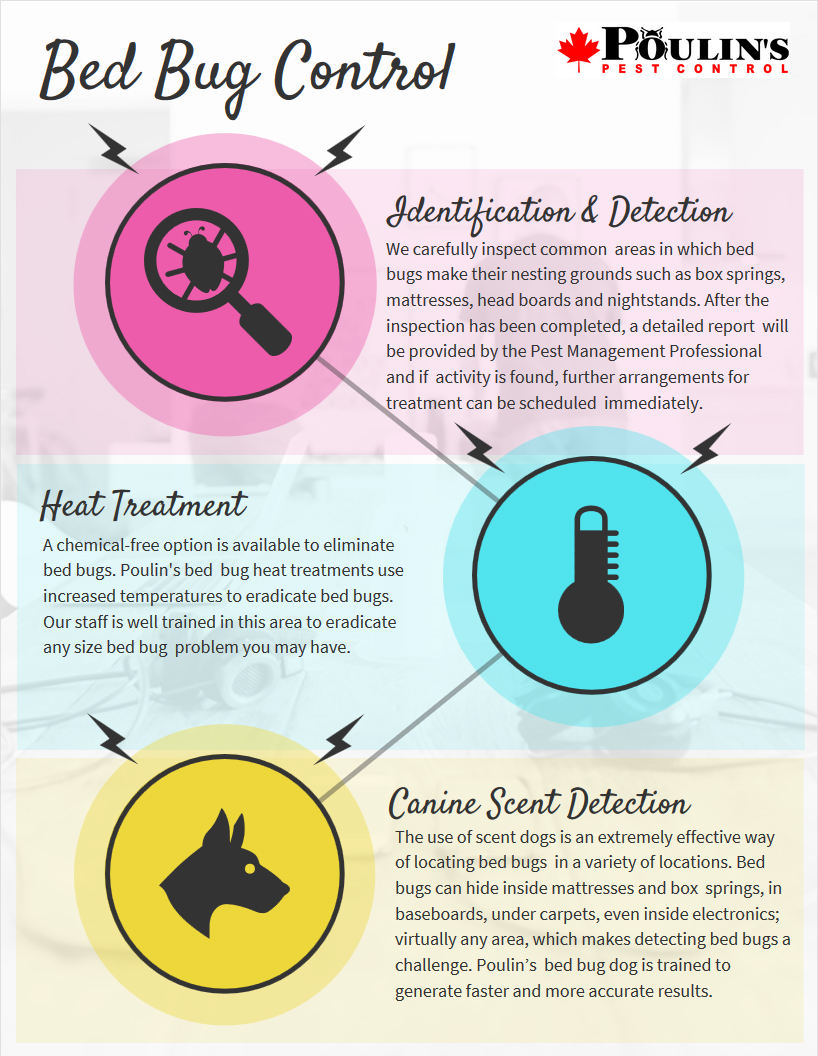

After the treatment, heaters are turned off and the area is left to naturally cool. Many companies inspect for surviving insects and provide documentation showing what temperatures were achieved and how long they lasted. This you could try here documentation try this web-site ensures confidence and proves the infestation was treated.
Heat treatment has unique benefits. It does not involve pesticides, which is ideal for families and those with health concerns. It is often fast and efficient, allowing businesses to reopen promptly - Bed Bug Services. Heat also penetrates cracks, wall voids, and dense fabrics. Unlike some methods, it kills all stages of bed bugs at once, preventing the need for repeated visits
Excitement About Bed Bug Services
While highly effective, heat treatment requires careful consideration. It can be expensive for large properties, particularly in big homes. Reinfestation is possible if new bugs enter, so preventive measures are crucial. Certain items are sensitive to high temperatures, and in multi-unit housing, follow-up monitoring is critical.
Many professionals use a multi-layered approach to prevent reinfestation. Monitoring tools and targeted insecticides can help verify the treatment’s success.
After treatment, ongoing vigilance matters. Regular inspections of beds, furniture, and sleeping areas help catch early signs of activity. Mattress and box spring encasements trap bed bugs, while keeping areas tidy can reduce the risk of recurrence. Being careful with incoming belongings is also important to prevent bed bugs from returning.
Heat treatment is widely considered the most reliable method for moderate to severe bed bug infestations. It provides a chemical-free, comprehensive approach that eliminates bed bugs in a single session. When performed by trained professionals, it kills all life stages without the lingering effects of chemicals, allowing properties to be pest-free quickly.